



Li-polymer vs 18650 Lithium-ion Batteries: How to Choose
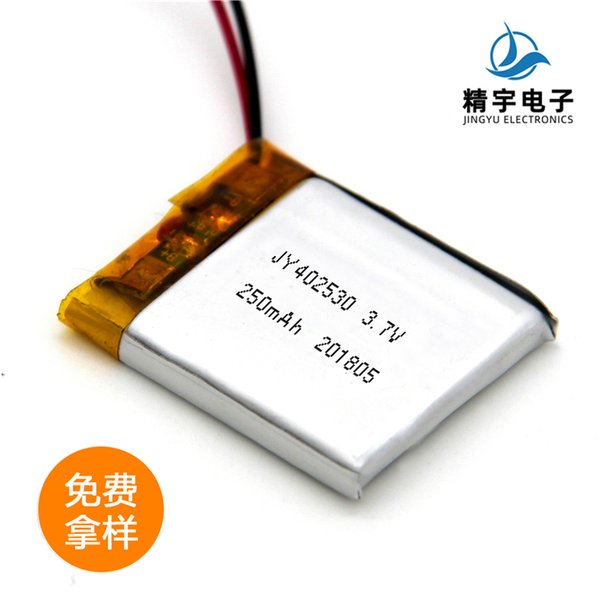
One of the first decisions in any battery-powered product is the cell format: polymer pouch cells or cylindrical 18650 cells. Both are lithium-ion chemistry, but they behave quite differently in a product design.
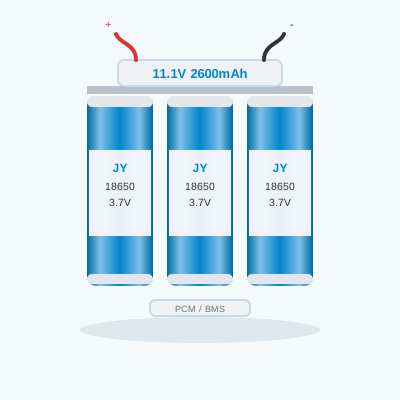
Shape flexibility: polymer cells can be made almost any thickness, from under 3 mm, and any size, which makes them the only choice for slim devices such as smartphones, tablets, smart wearables and heated clothing. 18650 cells are fixed at 18 mm diameter, so the battery compartment must be cylindrical or rectangular with enough depth.
Energy density: modern 18650 cells still lead in maximum capacity per cell (up to ~3500mAh), while polymer cells catch up quickly and win in gravimetric terms for thin designs.
Mechanical strength: the steel can of an 18650 resists swelling and impact; pouch cells need support structures and careful fixing inside the device.
Cost and supply: 18650 cells are highly standardized with fierce competition, so unit cost is low. Polymer cells are often customized, with a mold and sampling cycle.
Current capability: both formats offer high-drain versions; for tools and drones, high-rate 18650 or high-rate polymer cells are selected by C-rate requirement.
A simple rule of thumb: if your product is thinner than 9 mm or needs a special shape, choose polymer; if it is a power product with space for cylinders, 18650 packs are usually more economical.