



What Is an 18650 Battery? Structure, Capacity and Common Applications
2026-10-09
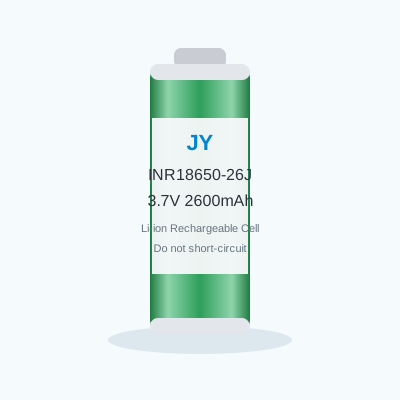
The 18650 is a cylindrical lithium-ion cell 18mm in diameter and 65mm long. This article explains its structure, capacity range and why it is still the most widely used cell format.
Li-polymer vs 18650 Lithium-ion Batteries: How to Choose
2026-09-18
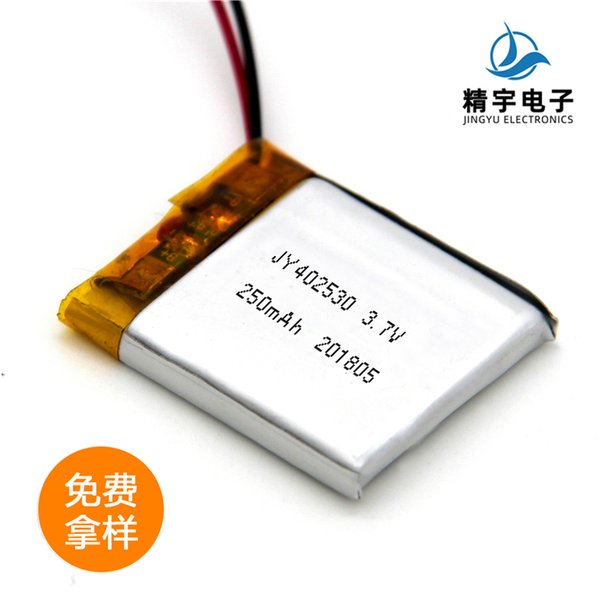
Polymer cells are thin, light and shape-free; 18650 cells are strong, standardized and cheap. This article compares the two formats in eight practical dimensions.
Understanding UN38.3: Why It Matters When Shipping Lithium Batteries
2026-08-22
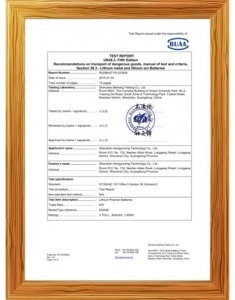
UN38.3 is the mandatory transport safety test for lithium cells and batteries. Learn what the eight tests are and what documents your shipment needs.
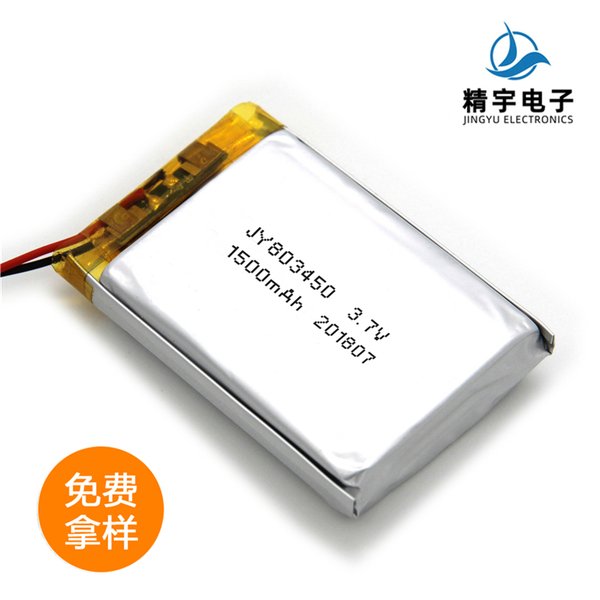
How to Estimate the Runtime of a Battery Pack
2026-07-30
Runtime = usable capacity ÷ average current. This article explains the formula, derating factors and a worked example for a heated glove battery.
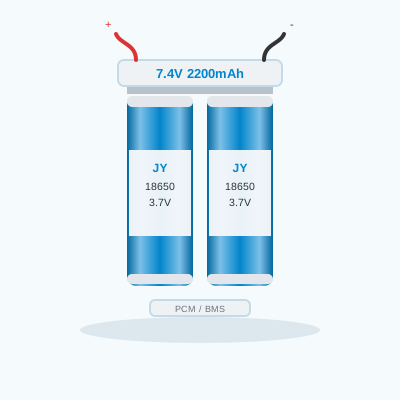
What Is a BMS and Why Does Your Battery Pack Need One?
2026-06-24
A BMS protects the pack from overcharge, over-discharge, over-current, short circuit and, in advanced versions, balances cells and reports data. Here is how to choose the right level of protection.
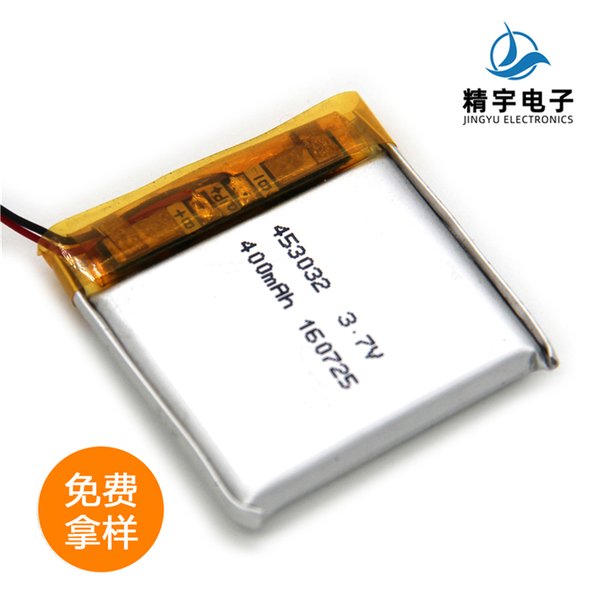
How to Store Lithium Batteries Safely During Long Periods
2026-05-20
Store lithium batteries at 40–60% state of charge, in a cool and dry place, and recharge them every 3–6 months. Practical storage guidance for factories, warehouses and end users.
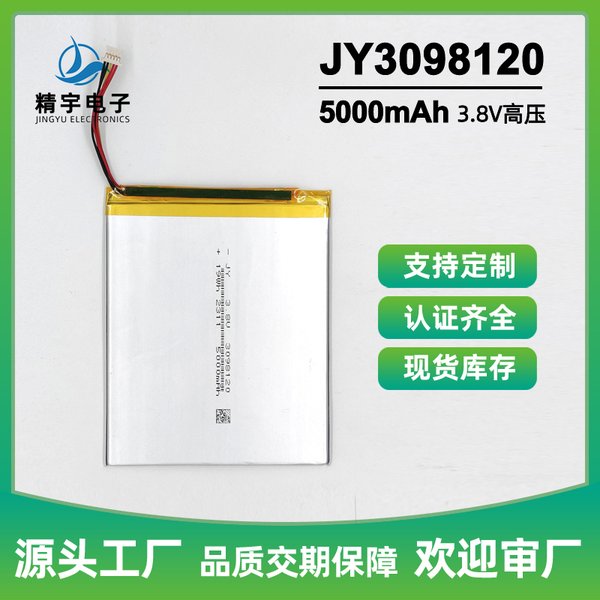
Why Do Lithium Batteries Age? A Simple Explanation of Cycle Life
2026-04-21
Cycle life is usually defined as the cycles until capacity drops to 80%. Learn what happens inside the cell and which design factors you can control.
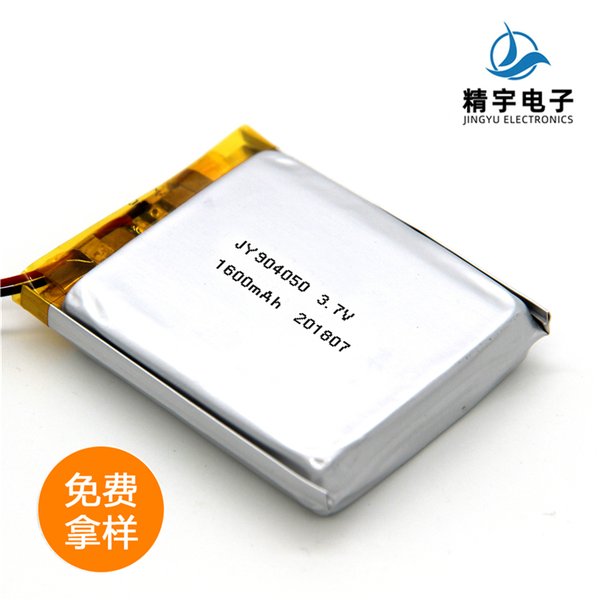
High and Low Temperature Lithium Batteries: How They Work
2026-03-17
Standard lithium cells lose capacity below 0°C and degrade quickly above 60°C. Special electrolytes and electrodes extend the working window to -40°C or up to 85°C.
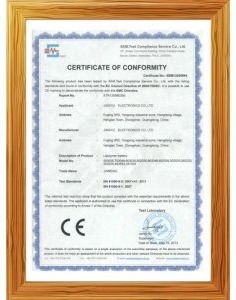
CE, UL, KC, PSE: A Certification Guide for Battery-Powered Products
2026-02-12
Which certifications does your battery need for Europe, North America, Korea or Japan? A quick map of the most common battery standards and marks.
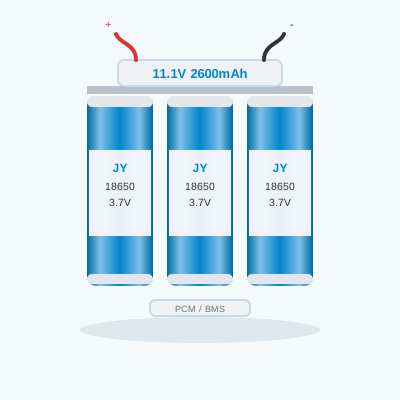
Series or Parallel? Building 18650 Battery Packs the Right Way
2026-01-15
S adds voltage, P adds capacity. Understand S/P notation, matching requirements, nickel-strip welding and why cell sorting decides the life of a pack.