


CE, UL, KC, PSE: A Certification Guide for Battery-Powered Products
Selling a battery-powered product usually means certifying the battery inside it, and the requirements differ by market.
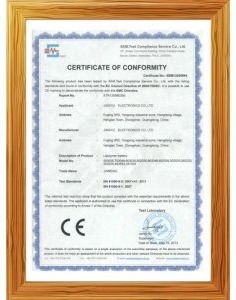
European Union: the CE mark for batteries typically involves EN/IEC 62133-2 (safety), the EMC directive for the powered device, and compliance with the EU Battery Regulation, which covers safety, sustainability and labeling. UN38.3 remains mandatory for transport.
North America: UL standards are the de facto requirement for retail and insurance purposes. Common ones are UL 1642 (cells), UL 2054 (household and commercial batteries) and UL 62133; for power banks and chargers, UL 2056 may apply. FCC covers electromagnetic compatibility of the device.
Korea: KC certification for lithium batteries is based on KC 62133 and is mandatory for products sold in Korea. Japan: PSE with round P mark applies to lithium batteries under the DENAN law, based on JIS C 62133.
China: GB 31241 is the national safety standard for lithium-ion cells and batteries used in portable electronic products.
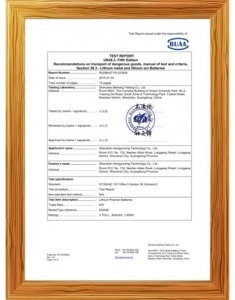
Jingyu Electronics products have passed UL, CE, RoHS, FCC, KC, IEC 62133, GB 31241 and UN38.3. We support customers with report copies and help identify which standards apply to a new product before samples are made, saving weeks in the certification schedule.