



High and Low Temperature Lithium Batteries: How They Work
A standard lithium-ion cell is comfortable between roughly 0°C and 45°C for charging and -20°C to 60°C for discharging. Outside that window, performance drops sharply: below 0°C the electrolyte becomes viscous and lithium plating can occur during charging; above 60°C the SEI layer and electrolyte decompose faster.
Low-temperature cells use electrolytes with special solvents and salts that keep ionic conductivity at deep cold, combined with electrode surface treatments. A typical -40°C cell can still deliver 60–80% of rated capacity at -40°C for discharge applications. They are used in cold-chain loggers, outdoor instruments, aerospace and winter sporting goods.
High-temperature cells use additives and separator coatings that slow down parasitic reactions. Backup batteries for meters, tire pressure sensors and automotive electronics are designed to survive years at up to 85°C.
One important warning: low-temperature cells are usually for discharge only. Charging below 0°C requires either a heating film, a special low-temperature charging formulation, or a charging circuit that blocks charging when the cell is too cold.
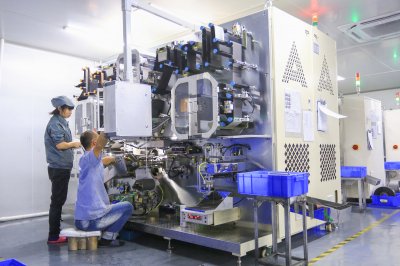
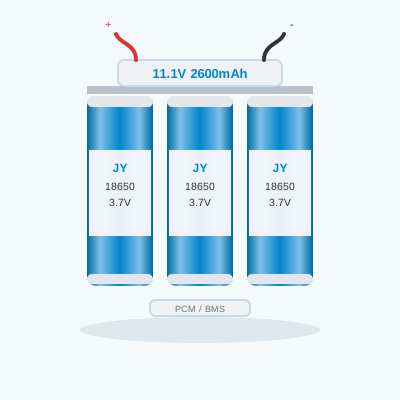
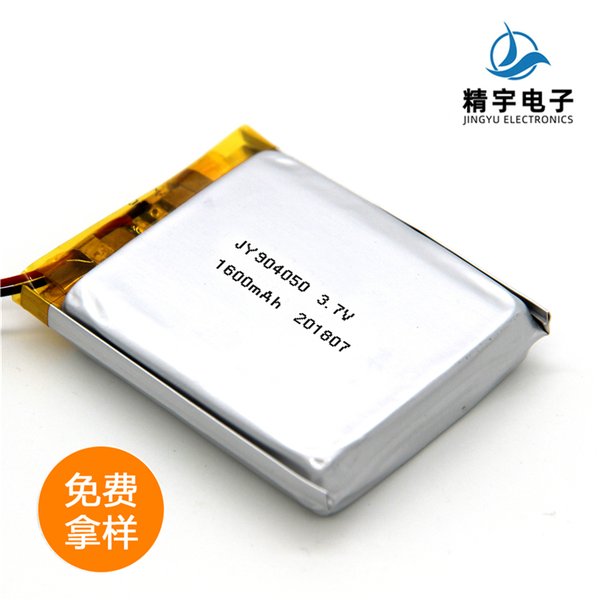
Jingyu Electronics offers both high and low temperature polymer series. Tell us the minimum and maximum temperatures of your application and whether charging happens inside that range, and we will recommend a suitable cell and pack design.